 US Drone Helped Mexico Catch “El Chapo Isidro”, What It Means?
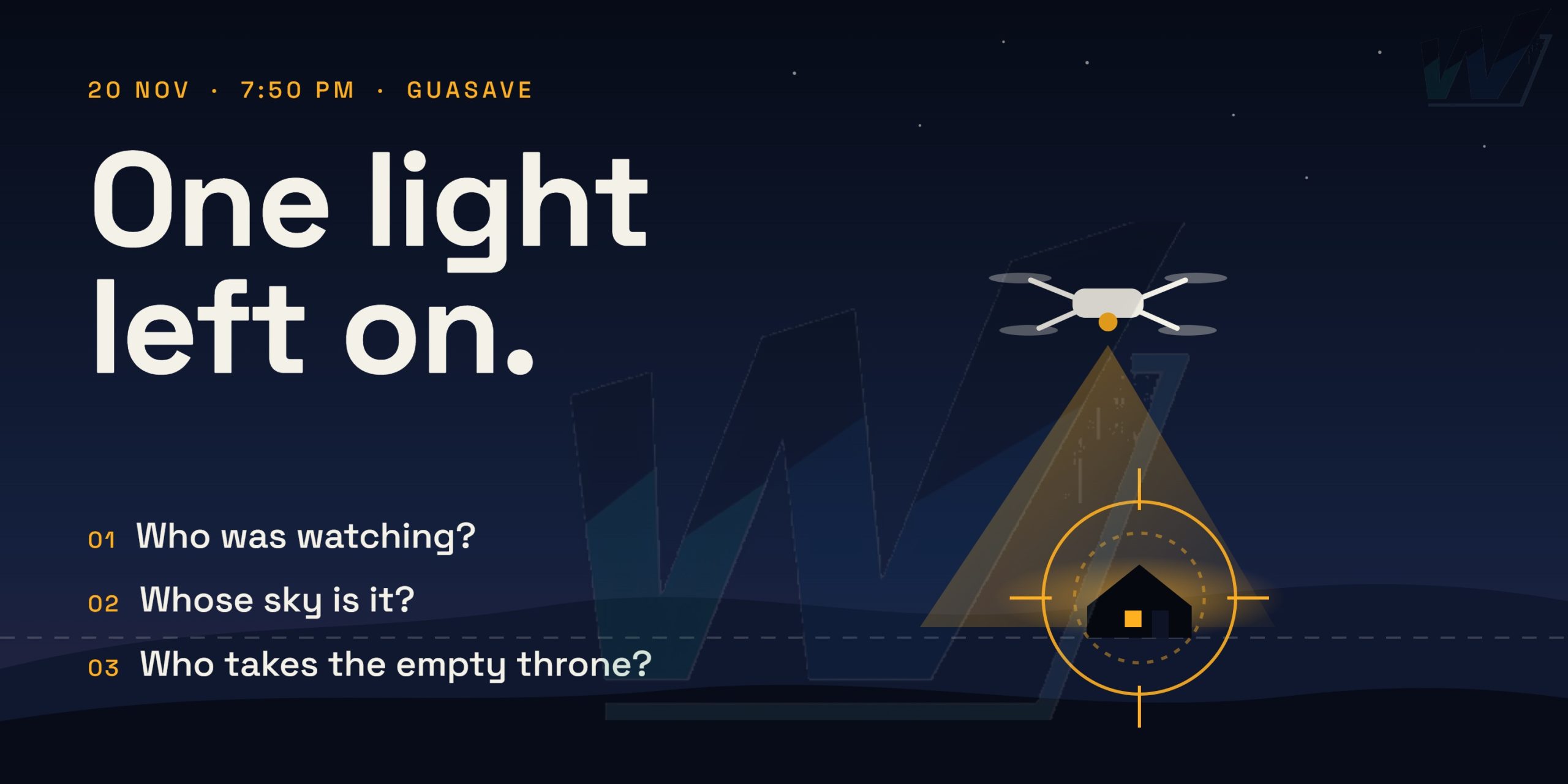
Friday night, 7:50 p.m. In the Mexican city of Guasave, a single house sits quiet while hundreds of soldiers close in around it. Overhead, unseen, a U.S. surveillance drone has been circling.
Inside is Fausto Isidro Meza Flores, “El Chapo Isidro”, an FBI Ten Most Wanted fugitive with a $5 million U.S. reward on his head. By the end of the weekend, he is in custody. And Mexico is admitting, out loud, that an American drone helped find him.
The price was brutal. Cartel retaliation turned Guasave into a battlefield: 20 people dead, including four Mexican soldiers, burned trucks blocking highways.
So here is the question the whole region is now asking: when a foreign drone helps catch your most wanted man, who really owns the sky?
The hunt: three months, one house, one drone
Mexico’s Defense Secretary, Gen. Ricardo Trevilla Trejo, says the capture followed roughly three months of intelligence sharing with U.S. authorities. In the week before the arrest, Mexico authorized U.S. intelligence drones to fly over its territory, which helped pinpoint the target before Mexican forces surrounded him and moved in. Officials stress the mission complied with Mexican law.
The operation, called Centella, reportedly involved hundreds of personnel and six gunship helicopters, according to the Defense Ministry. Mexican special forces, not American troops, made the arrest.
The U.S. government confirmed its intelligence support but gave no immediate details about the drone.
Who is “El Chapo Isidro”?
Not to be confused with Joaquín “El Chapo” Guzmán, though the nickname invites it. Meza Flores, 44, built a low-profile empire out of Guasave in northern Sinaloa. He rose through the Beltrán Leyva network, later led his own group, and became a key ally of the Sinaloa Cartel faction known as “Los Mayos”, locked in a bloody territorial war with rivals. U.S. prosecutors have accused his organization of trafficking drugs, including fentanyl, into the United States. The FBI added him to its Ten Most Wanted list in February 2025.
The sovereignty tightrope
This is where the story stops being only about one man.
President Donald Trump has pressed Mexican President Claudia Sheinbaum to crack down harder on cartels. Sheinbaum has insisted on a red line: no U.S. forces operating on Mexican soil, only shared intelligence, with Mexico asking for and approving any help. After the arrest she praised the armed forces, saying the case “demonstrates the capacity” of Mexico’s military to make major detentions.
Washington, meanwhile, has been lining up allies across Latin America to let it operate in their territories, with mixed responses. A drone overhead is not a boot on the ground. But for many Mexicans, the line between the two is exactly what the argument is about.
There is also a legal loose end: the U.S. has an extradition request for Meza Flores, leaving open whether he ends up facing American courts.
The danger nobody is cheering about
The arrest is a blow to criminal groups, and both governments celebrated it. Security analysts, however, warn about what history shows: in Sinaloa and elsewhere in Latin America, removing a boss without dismantling the machine around him has often triggered bloody succession fights.
Sinaloa already knows this story. After the July 2024 arrest of Sinaloa Cartel co-founder Ismael “El Mayo” Zambada, homicides in the state rose by more than 400% over the following year, according to a CNN analysis. Mexico’s security chief, Omar García Harfuch, has cautioned that the Guasave group remains active despite the capture. And the arrest is the latest in a string of high-value strikes, including the February killing of Jalisco cartel leader “El Mencho.”
What to watch next
- Where is he tried: Mexico or the United States?
- The vacuum: who moves into Guasave’s territory, and how violent is the scramble?
- The precedent: does U.S. drone support become routine, or a political liability for Sheinbaum?
- The message: one light left on in one house. Will the next one stay dark?
The bottom line: a drone found a house. The harder question is what finds the peace afterward.